Use for Free
The Power of Intentional Spacing
8 min
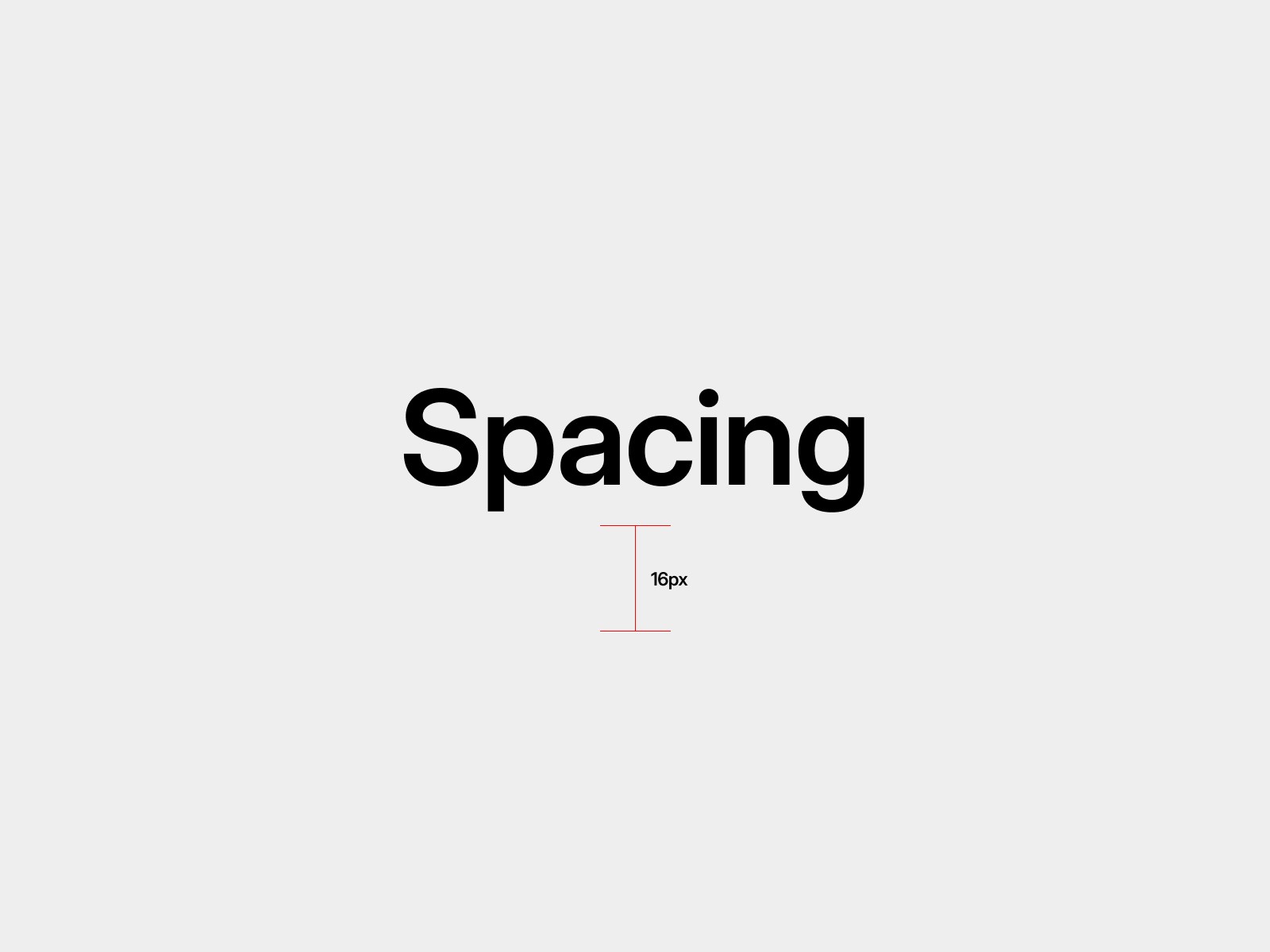
Spacing is one of the most overlooked elements in web design, yet it plays a crucial role in how a website feels and functions. Intentional spacing helps organize content, improve readability, and create a calm, balanced visual experience.
Creating Breathing Room
When elements are placed too close together, pages feel crowded and difficult to read. Proper spacing creates breathing room between sections, text blocks, and images, allowing users to process information comfortably. This makes the design feel more refined and easier to navigate.
Improving Visual Hierarchy
Spacing also helps establish hierarchy. Larger gaps between sections signal separation, while tighter spacing groups related content together. This simple technique guides users through the page and makes the layout easier to scan.
Enhancing Focus
Good spacing directs attention. When important elements like headings, buttons, or images have enough space around them, they naturally stand out. Designers often use this technique to highlight key messages without relying on heavy colors or graphics.
Final Thoughts
Intentional spacing is not empty space—it’s a design tool. By carefully controlling the distance between elements, designers can create layouts that feel clean, balanced, and professional. Sometimes, the most powerful improvement to a design isn’t adding more elements, but giving the existing ones room to breathe.